Flight Training

Certificates, ratings, and currency training, all taught from a written curriculum.

How training works here

Every rating from Private Pilot on has a clear, written curriculum. Each lesson has an objective, preparation to complete beforehand, and a debrief afterward. That is the difference between wandering toward a certificate and steadily working toward one.

The path from first lesson to professional pilot

  1. Step 1

    Private Pilot (PPL)

    Your pilot's license. Fly yourself, friends, and family in good weather.

  2. Step 2

    Instrument Rating (IFR)

    Fly in clouds and lower weather by reference to instruments. Makes you a safer, more capable pilot.

  3. Step 3

    Commercial Pilot (CPL)

    Sharpen your precision and qualify to be paid to fly.

  4. What's next

    Your aviation career

    From here, many pilots become flight instructors or move toward the airlines. Ask about your next step.

Add-ons and staying current

Available any time, separate from the main path, for pilots at any stage.

  • Flight Reviews
  • Instrument Proficiency Checks (IPC)
  • Complex endorsement
  • High-Performance endorsement
  • Tailwheel endorsement
  • Aircraft checkouts & transition training
  • Proficiency and refresher flights

What to expect in training

A few simple habits make training smoother, faster, and less expensive. You'll get help with every one of them along the way.

Complete a ground school

An online course you do at home, at your own pace. It covers the knowledge side of flying and saves money in the airplane. Which one?

Show up prepared and preflighted

Review what you studied, and check the weather and weight & balance before you fly. You'll learn exactly how in your first lessons.

Fly regularly

Flying often, ideally a couple of times a week, keeps skills fresh so you spend less time re-learning.
Read all 10 training tips →

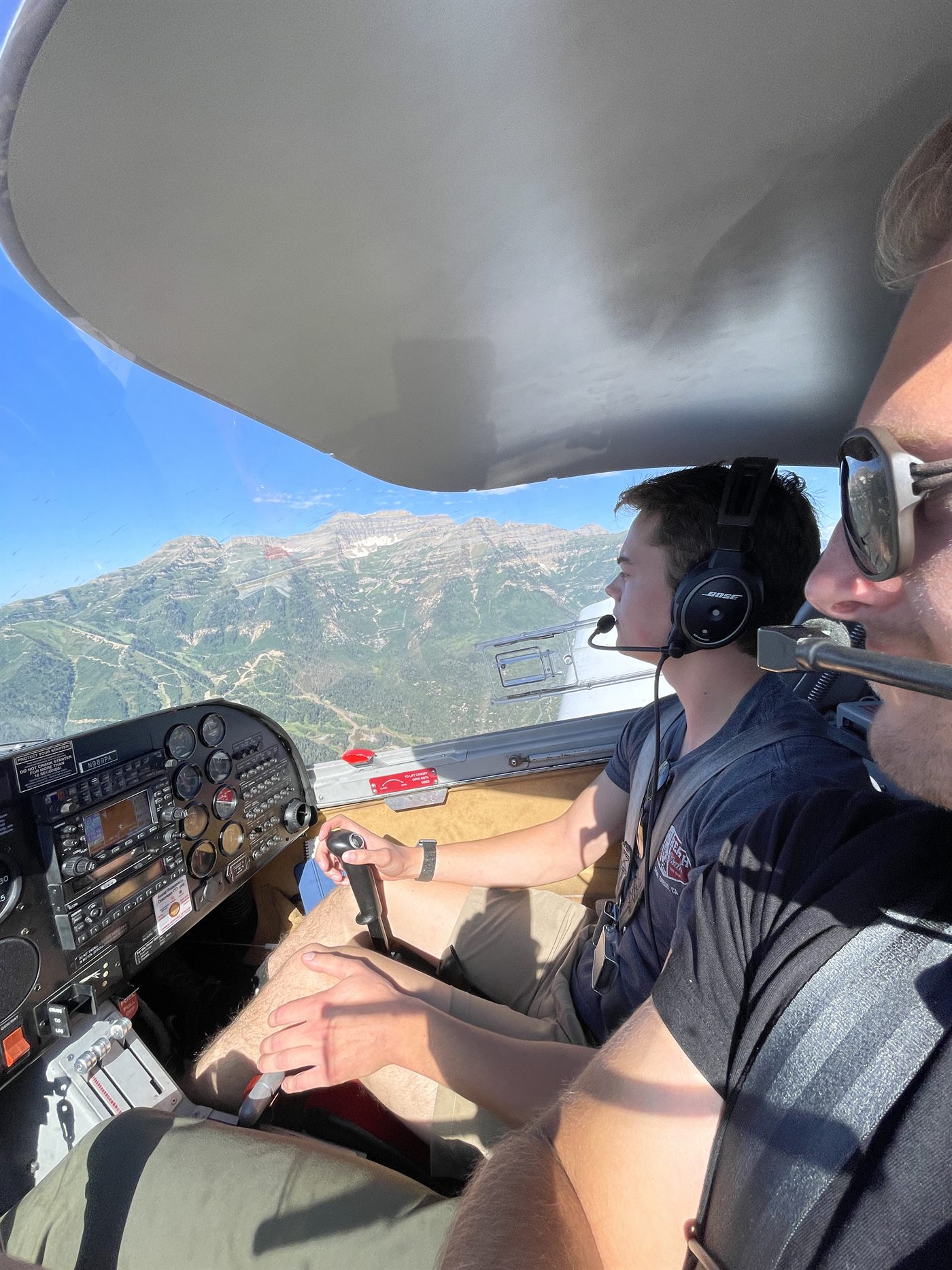
A student flying a training airplane over mountains, viewed from the right seat
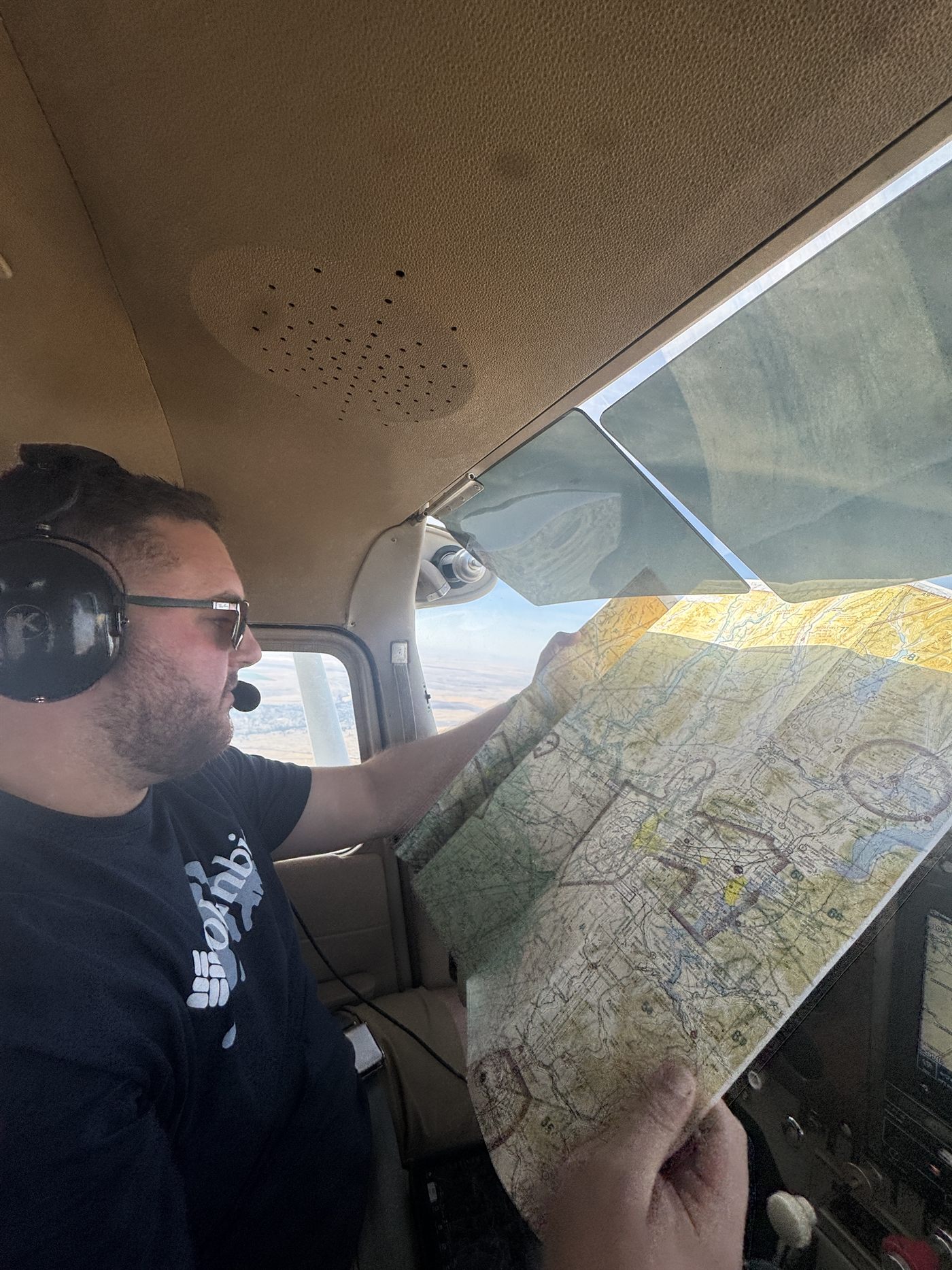
A student in a headset studying a sectional chart in the cockpit
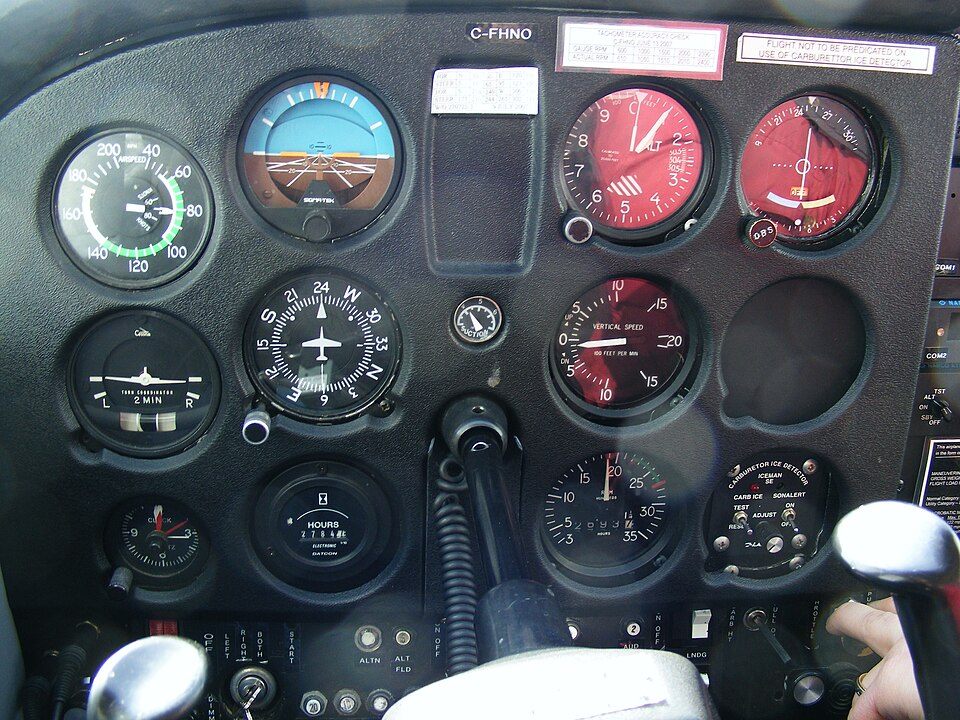
Close-up of a training airplane's flight instruments: airspeed, attitude, altimeter, turn coordinator, heading, and vertical speed

Quality aircraft

Training is done in proven, well-maintained training airplanes that are inspected on schedule and equipped for real-world flying, at some of the best rental rates around.

  • Consistency. Train in the same airplane from start to finish. You master one cockpit instead of relearning a new one, so more of every lesson goes into progress.
  • Great trainers. Simple, forgiving, and reliable. The airplanes that have taught generations of pilots to fly.
  • The best price. No middle man and no markup, so you get quality training without paying flight school rates.

Already have an airplane? Bring it.

Instruction can happen in any airplane, including one you own. Learning in the airplane you'll actually fly after your checkride is one of the best ways to train.

Rental rates for available aircraft are on the Costs page. If you're using your own airplane, you only pay for instruction.

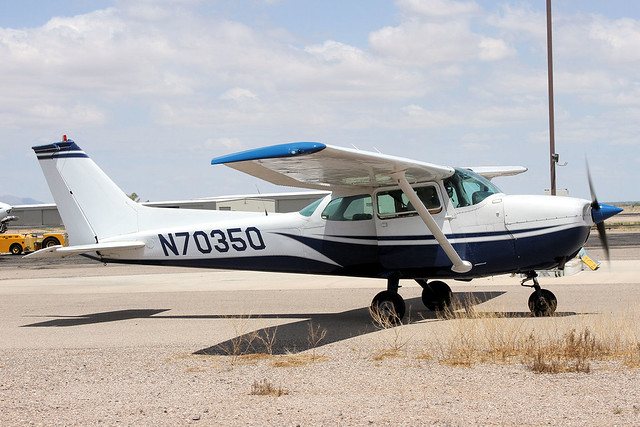
A white and blue Cessna 172 parked on the ramp

Ready to get started?

Start with a discovery flight, or reach out to talk through your goals.