Step one
Start with a discovery flight
A discovery flight is a real lesson in a real airplane, with the controls in your hands. No experience needed. It's the best way to find out if flying is for you.
1-hour flight, starting at $150.
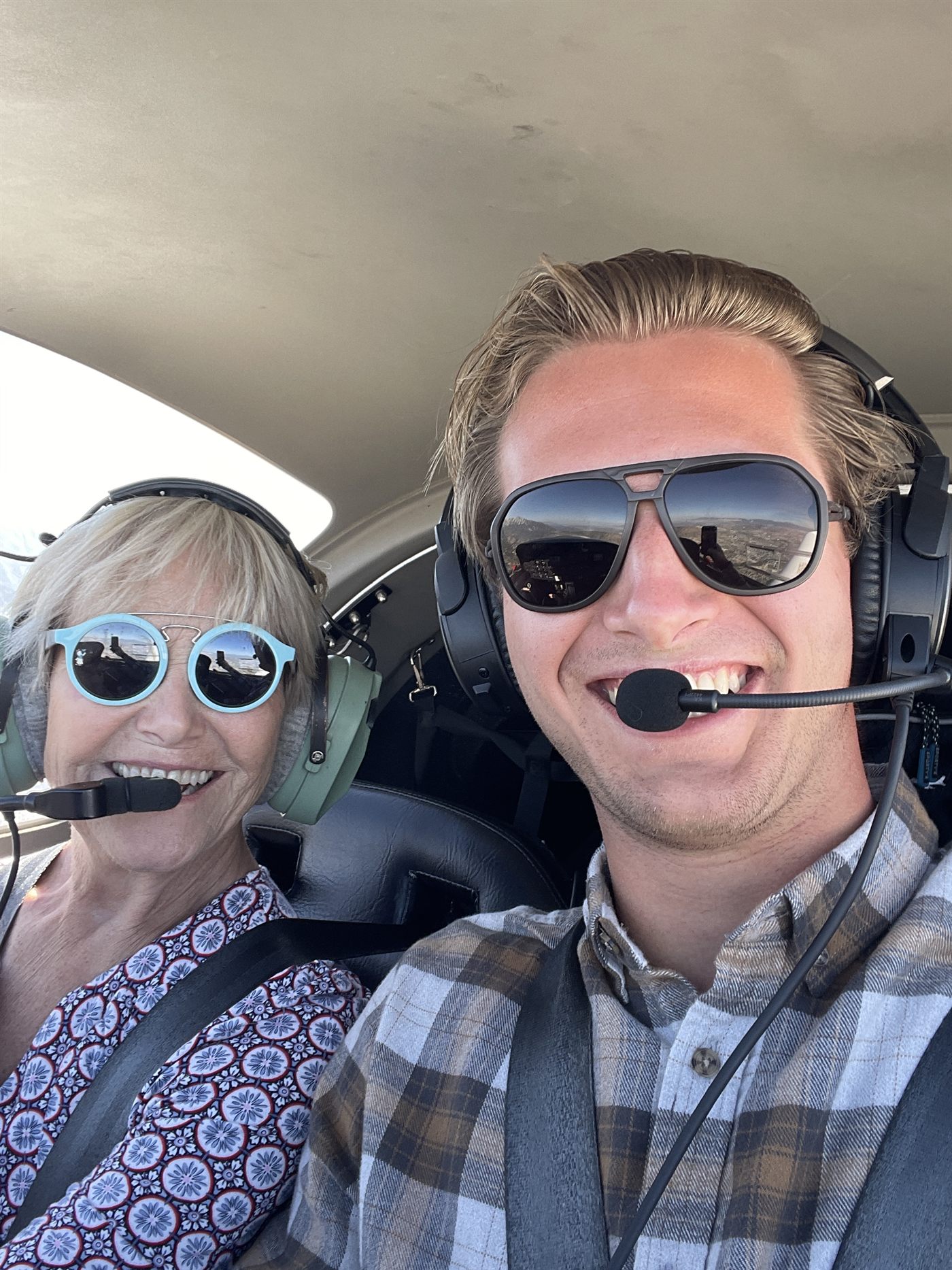
A discovery flight is a real lesson in a real airplane, with the controls in your hands. No experience needed. It's the best way to find out if flying is for you.
1-hour flight, starting at $150.
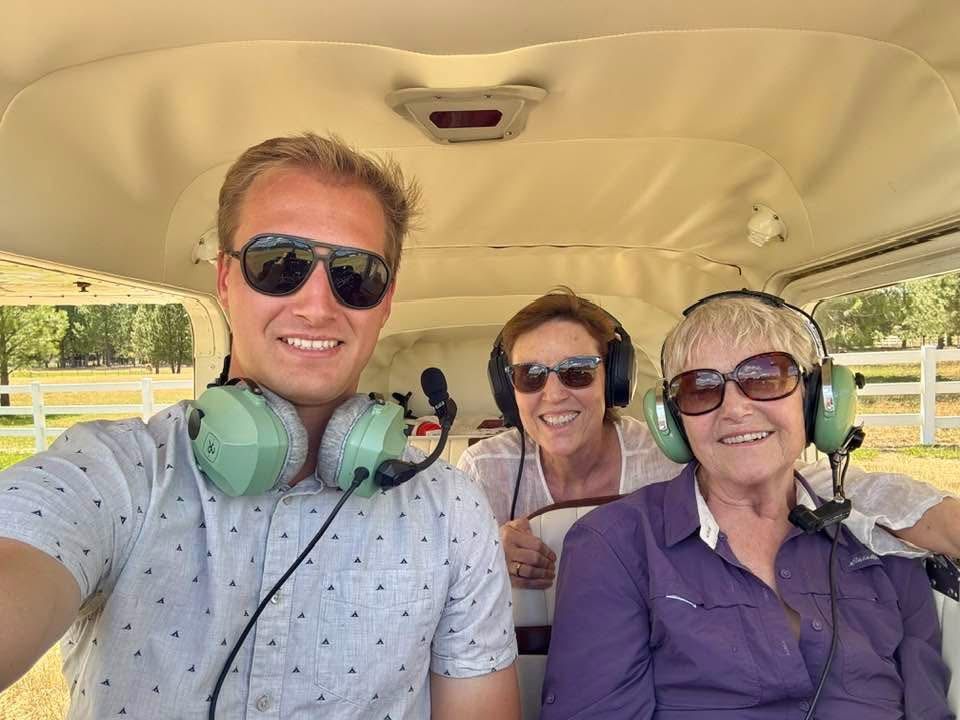
Big smiles are standard equipment. Here's what a flight looks like from the inside.
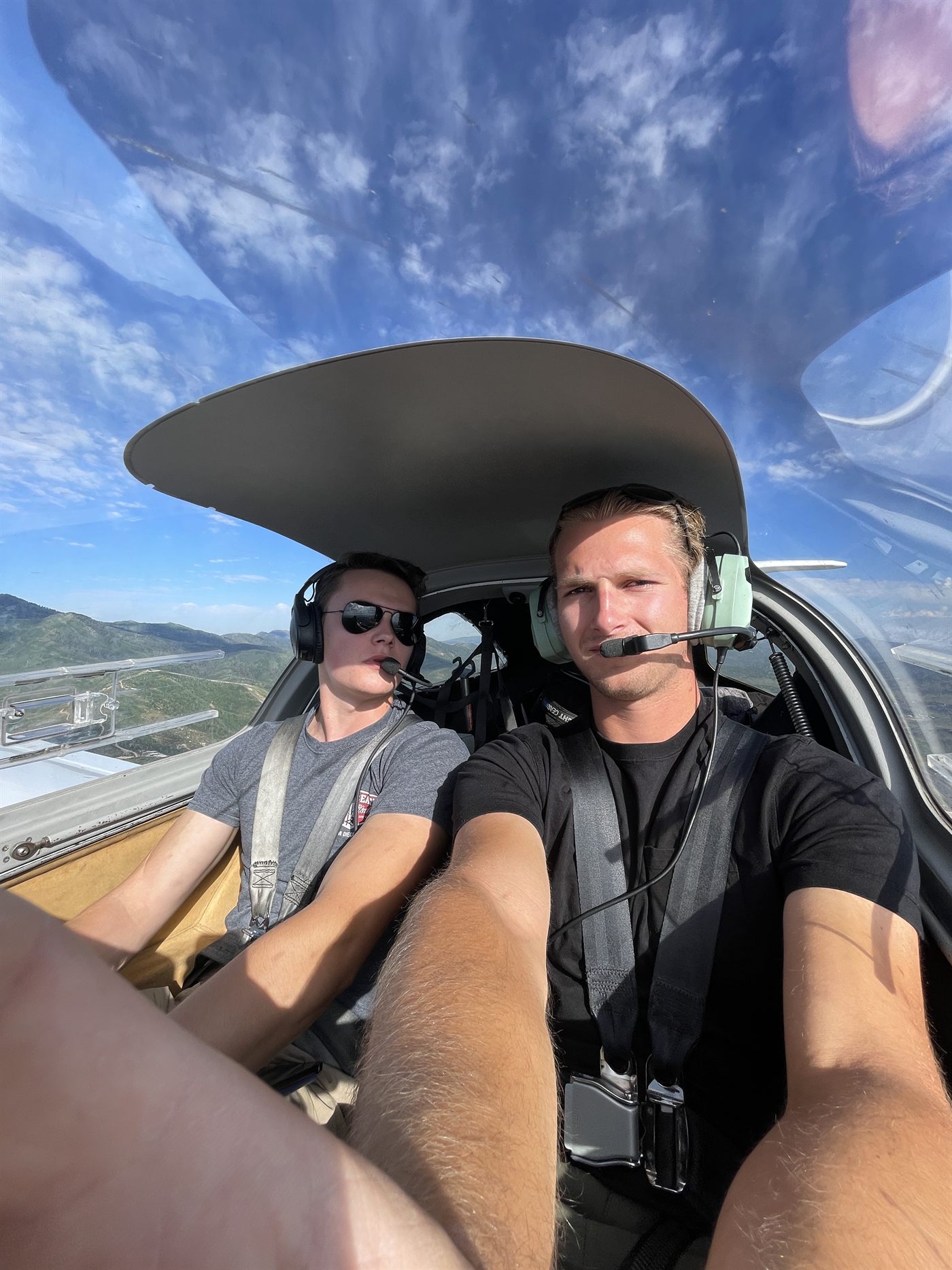
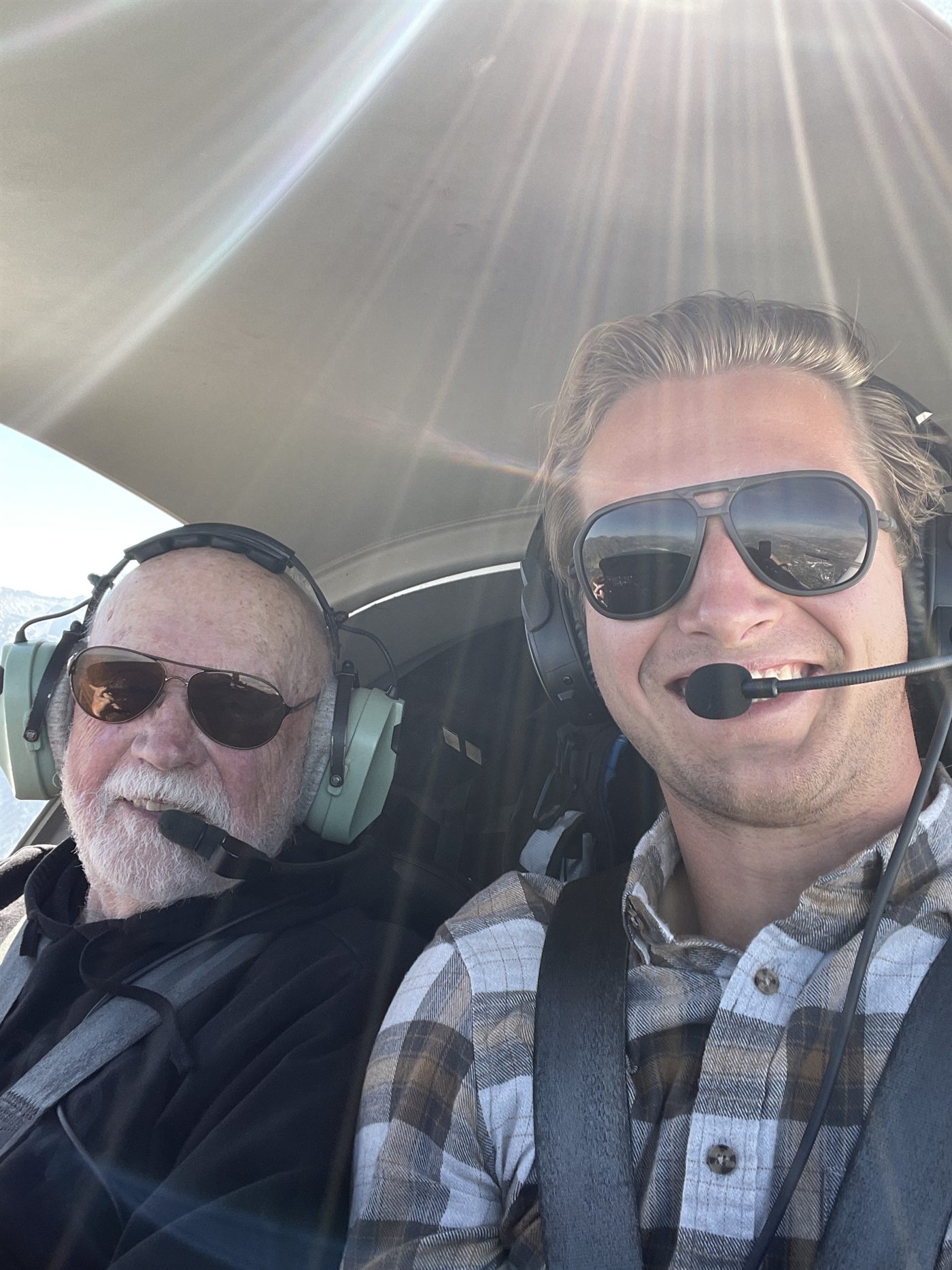
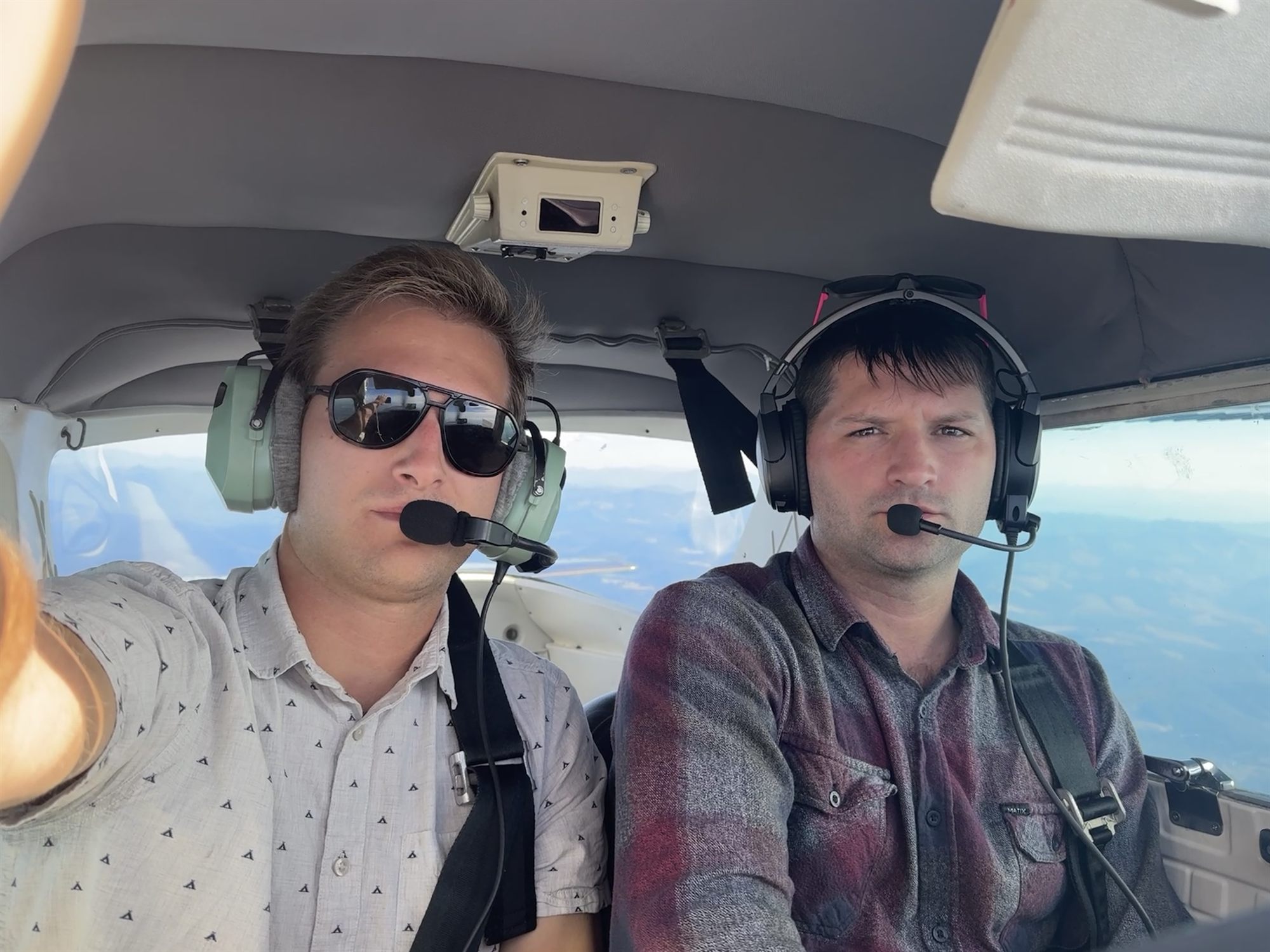
Thinking about it but not sure yet? These are the questions first-time flyers ask most.
None at all. Most people on a discovery flight have never been in a small airplane before.
Discovery flights are 1 hour and start at $150.
No. You fly with a certified flight instructor, so there's nothing to get ahead of time. Just bring a photo ID.
Yes. Once you're safely in the air, you take the controls. Your instructor is right beside you with a second set of controls the whole time.
The flight is 1 hour. Plan a little extra time for the walk-around beforehand and to talk afterward.
There's no minimum age to fly with an instructor. Students can fly solo at 16 and earn a private pilot license at 17.
Often, yes, depending on the airplane and total weight. Just mention it when you book.
Safety always comes first. If the weather isn't good, the flight is simply rescheduled at no cost.
It can. Time with an instructor is logged, so if you decide to keep going, your discovery flight is your first lesson.
At Altitude Adjustment, you should always know where you are and what comes next. These guides lay out the path from day one: the steps to your license, how to study, the gear you'll need, and how to get the most out of every lesson. Read them in order, or jump to whatever you're curious about.
The whole process as a simple checklist, from your medical exam to your checkride.
Read →Part 61 vs. Part 141, schools vs. independent instructors, and what to look for in a CFI.
Read →Headset, iPad, logbook, and the rest of your gear, with budget options.
Read →Which manuals to buy on paper, which apps you need, and which online course to start with.
Read →An intro to the FAA regulations, plus websites and videos worth your time.
Read →FAA handbooks, test standards, curriculum, and aircraft files, organized by rating.
Browse resources →Send a request, or call or text to book your discovery flight.